Green Initiatives: How E-Waste Recycling Services Are Protecting Our Planet
E-waste poses significant threats to the environment, as disposed electronics frequently harbor hazardous substances. Such dangerous compounds can pollute soil and water supplies, resulting in widespread environmental harm. E-waste recycling initiatives provide a practical answer. They serve the dual purpose of reclaiming precious materials and reducing contamination. Gaining insight into how these programs function and affect local communities is critical. The path to successful electronic waste management prompts vital discussions about personal accountability and communal efforts. What actions should be considered going forward?
The Reasons E-Waste Is Damaging to the Planet
Although technology enhances our daily lives, e-waste creates considerable environmental hazards. Discarded electronic devices, commonly laden with dangerous compounds like mercury, lead, and cadmium, are capable of seeping pollutants into soil and groundwater, posing risks to human health and ecosystems. The swift progression of technology leads to increased consumer turnover of electronics, exacerbating the accumulation of electronic waste.
Landfills, already strained by waste, are unable to keep up with the rising quantities of abandoned electronics. Incineration, another disposal method, releases harmful pollutants into the atmosphere, contributing to air quality degradation. Furthermore, inadequate recycling methods can result in the shipment of electronic waste to underdeveloped nations, where workers may break down equipment without proper protective measures, putting themselves at risk of exposure to hazardous materials. This ongoing cycle of carelessness and inadequate management emphasizes the pressing necessity for responsible recycling initiatives that can lessen the harmful consequences of e-waste on our world.
Understanding E-Waste and Its Significance
E-waste, or electronic waste, comprises unwanted electronic equipment including computers, smartphones, and televisions that have reached the end of their useful life. This growing category of waste is significant due to its rapid accumulation, driven by technological advancements and consumer trends. With an increasing number of devices reaching obsolescence, the toll on the environment grows more severe, with toxic materials such as lead, mercury, and cadmium posing risks to ecosystems and human health.
The significance of tackling e-waste extends beyond minimizing these risks to recognizing the valuable resources it holds. Valuable metals and rare earth materials can be extracted and repurposed, lessening the demand for mining and preserving natural resources. Through a deeper awareness of e-waste and its consequences, both individuals and organizations can make well-informed choices regarding disposal and recycling, thereby supporting a more sustainable future. Proper management of e-waste is essential for fostering a circular economy and promoting environmental stewardship.
The Way E-Waste Recycling Functions
Recycling e-waste involves a structured approach aimed at reclaiming useful resources while minimizing environmental impact. At the outset, e-waste Visit here is collected and transported to dedicated processing centers. After reaching the facility, the electronics are carefully categorized to distinguish harmful elements from reusable resources.
Next, workers break down the electronics, separating metals, plastics, and glass. This step is critical, as it makes possible the retrieval of precious metals like silver, gold, and copper, which can be recycled in new electronic devices.
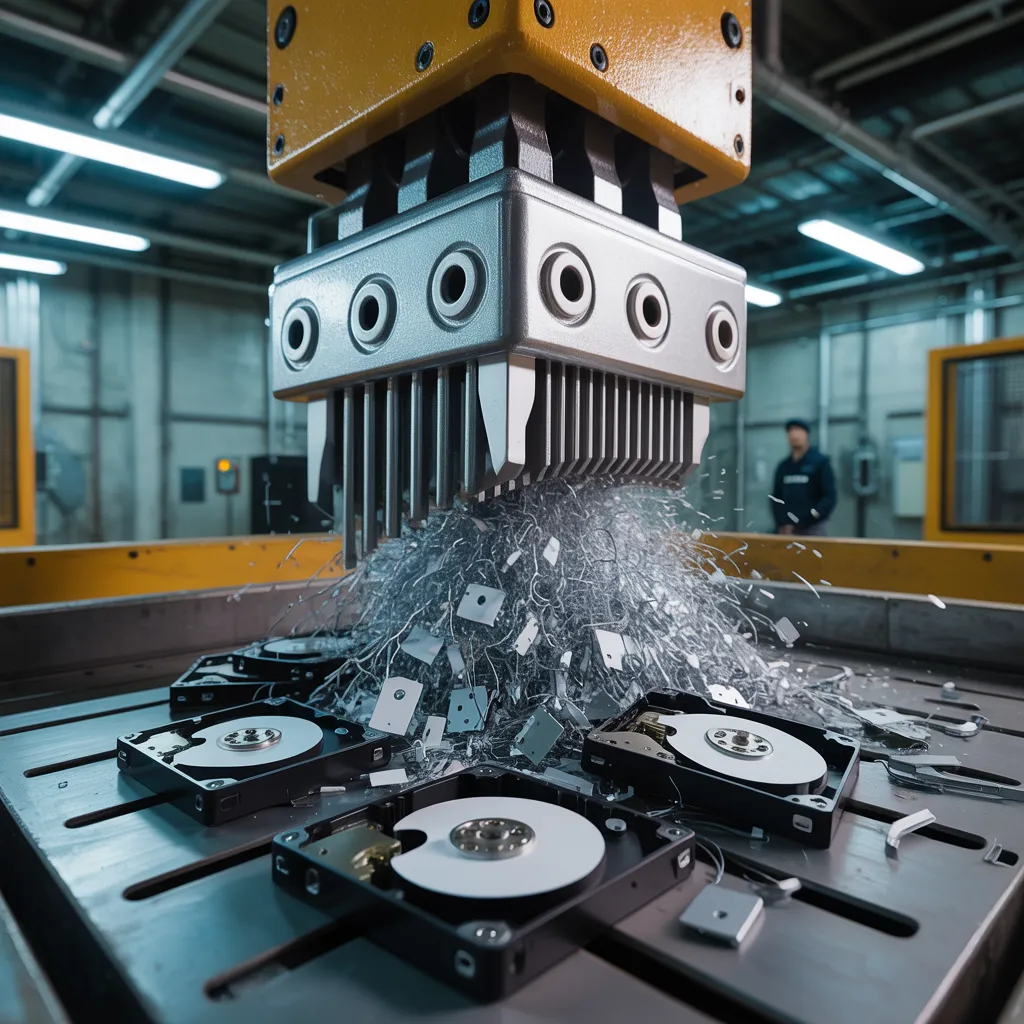
Subsequently, the isolated materials are processed using state-of-the-art techniques, such as chemical treatments and shredding, to prepare them for repurposing.
In the final step, the remaining hazardous materials are disposed of responsibly, following eco-friendly standards. This multi-step approach not only preserves valuable resources but also reduces the dangers associated with unsafe e-waste handling, securing a more eco-conscious future for electronic device usage.
The Benefits of E-Waste Recycling for You and Your Community
Though many people are unaware, the positive effects of e-waste recycling extend beyond personal convenience to positively impact entire communities. By properly recycling electronic waste, individuals help foster a healthier environment, minimizing harmful substances that can contaminate soil and water. This proactive approach helps preserve local ecosystems and supports public health.
Moreover, electronic waste recycling supports employment opportunities within local communities. Community recycling operations commonly require workers for various operations, spanning collection through processing, thus generating valuable job opportunities within the community. This not only strengthens the regional economy but also fosters community involvement in eco-friendly practices.
In addition, understanding of e-waste recycling may result in community outreach programs, enabling residents to pursue greener alternatives. By enrolling in e-waste recycling programs, individuals cultivate a culture of sustainability, inspiring others to follow suit. Overall, the combined impact of these actions can lead to a more robust and eco-friendly community.
How to Pick an E-Waste Recycling Service
Selecting the right electronic waste recycling provider is vital for making sure that electronic waste is handled responsibly and sustainably. Initially, people should check the company's certifications, such as R2 or e-Stewards, which indicate adherence to professional guidelines for safe recycling practices. It's also important to evaluate the provider's credibility by reading customer reviews and seeking recommendations from trusted sources.
Furthermore, openness in the recycling process is crucial. A trustworthy service should provide clear information about the manner in which e-waste is managed and how the materials are utilized. Additionally, considering the scope of services provided can prove valuable; some companies may provide pickup services or offer incentives for recycling.
Finally, understanding local guidelines related to e-waste disposal may further shape the evaluation process. By prioritizing these factors, individuals can contribute to efficient electronic waste handling as well as promoting sustainable environmental efforts.
Ways You Can Participate in E-Waste Recycling?
Participating in e-waste recycling often starts at the local level, where community recycling hubs regularly supply essential services for responsible disposal. Moreover, joining community awareness campaigns can amplify efforts to raise awareness about the importance of proper e-waste handling. Such efforts not only promote sustainability but also foster a collective sense of accountability for the environment.
Regional Recycling Centers
A wide range of neighborhood recycling stations fulfill a critical purpose in recycling electronic waste, supplying communities with reliable ways to dispose of electronic waste responsibly. These centers accept a range of electronic equipment, including old computers, smartphones, and televisions, making certain that hazardous materials are managed safely. The majority of facilities employ experienced team members who support individuals in understanding proper disposal practices, emphasizing the importance of recycling over landfilling. Furthermore, numerous facilities provide scheduled drop-off occasions or specific collection dates, allowing residents to take part with ease. By engaging with these local facilities, residents support a circular economy, minimizing ecological impact and fostering sustainable behaviors. Engaging with these centers encourages communities to fight e-waste pollution decisively.
Community Outreach Campaigns
Community groups, educational institutions, and companies can collaborate to host events that promote e-waste collection drives. Community members can serve a critical function in raising awareness, sharing informational resources, and connecting with local residents. As a result of these combined actions, local inhabitants gain greater awareness and encouragement to properly recycle their e-waste, thus playing a meaningful role in creating a more environmentally responsible future.
Answers to Your Most Common Questions
What Kinds of Electronics Can Be Recycled?
A wide range of electronics can be recycled, including laptops, televisions, smartphones, printers, computers, and gaming consoles. In addition, accessories such as keyboards, mice, and batteries are equally appropriate for recycling, supporting sustainable environmental practices.
Do Any Costs Come With E-Waste Recycling?
Yes, e-waste disposal can include fees, depending on the service provider. Certain providers impose charges for collection or processing, while other facilities make services available at no charge, typically funded by the sale of reclaimed components.
What Are the Benefits of E-Waste Recycling for Businesses?
Companies can take advantage of e-waste recycling by lowering disposal expenses, improving their green reputation, meeting compliance standards, reclaiming useful materials, and possibly earning income through resale, thus supporting a greener and more sustainable operational framework.
What Becomes of Data on Recycled Devices?
Details regarding refurbished electronics is often irretrievably wiped or obliterated during the refurbishment process. This ensures private details stays protected, blocking unwanted intrusion while enabling components to be reused carefully and ethically across new manufacturing processes.
Are Broken Electronics Eligible for Recycling?
Absolutely, damaged electronics may be recycled. A wide range of facilities receive damaged devices, guaranteeing safe disposal and retrieval of useful materials. This helps decrease harm to the environment while encouraging sustainable recycling habits to manage electrical waste properly.