Electronic Waste Collection Solutions: Optimizing Your Recycling Efforts for a Sustainable Future
E-waste pickup services are reshaping how individuals and businesses approach recycling. These services simplify the disposal process while adhering to environmental standards. They not only lessen the difficulty of hauling heavy electronic equipment but also promote eco-friendly practices. As consumers continue to prioritize green alternatives, comprehending the intricacies of these services becomes critical. What elements should individuals evaluate when selecting an e-waste collection service? What you discover could be unexpected.
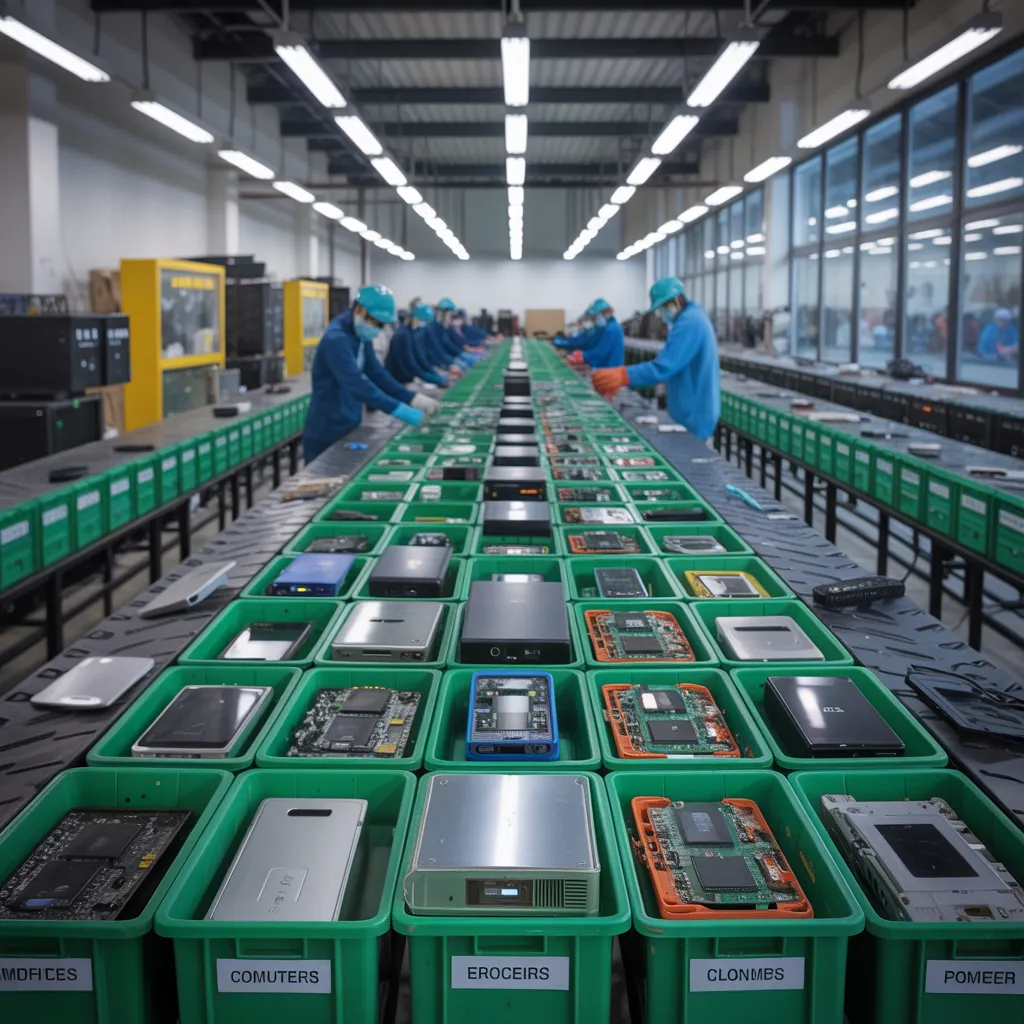
How E-Waste Pickup Addresses Environmental Impact
Electronic waste pickup services play an essential role in reducing the environmental impact of discarded electronics, as they enable the proper disposal and recycling of harmful materials. These programs help stop toxic substances, such as cadmium, lead, and mercury, from contaminating soil and water systems. By effectively collecting and moving e-waste, they confirm that hazardous materials are processed in accordance with environmental regulations.
Additionally, electronic waste pickup services support resource recovery by channeling valuable materials, including copper, gold, and silver, back into the manufacturing cycle. This reduces the reliance on virgin raw materials, thus conserving natural resources and reducing energy consumption linked to mining and material processing.
Moreover, these solutions increase community awareness about the importance of correct e-waste handling, encouraging people and organizations to engage in green practices. In general, e-waste removal services substantially promote a safer and cleaner environment by addressing the problems resulting from electronic waste.
Advantages of Utilizing E-Waste Pickup Services
E-waste pickup services offer considerable benefits for homeowners and organizations alike. These services provide practical pickup options, making the disposal of outdated electronics hassle-free. Additionally, they provide sustainable disposal solutions, helping to reduce environmental harm associated with electronic waste.
Easy Collection Choices
As individuals and businesses aim to properly manage their electronic waste disposal, using pickup services provides a convenient solution. Such services supply adaptable collection choices that accommodate various timetables and demands. Users can typically select from a range of pickup times suited to both home and business locations. This eliminates the need for transporting bulky items to recycling centers, saving valuable time and effort. Moreover, several e-waste pickup companies feature same-day or booked appointments, increasing overall accessibility. By optimizing the pickup process, these services inspire greater participation in electronics recycling, effectively minimizing the environmental consequences of e-waste. The convenience of arranging and completing pickups fosters responsible waste management, positioning it as a sensible solution for those committed to building a cleaner environment.
Green Disposal Approaches
Utilizing e-waste collection solutions confirms that electronic equipment are managed with environmental responsibility. These providers focus on processing various types of electronic waste, guaranteeing that hazardous materials, such as lead and mercury are kept out of landfills. By partnering with certified recyclers, e-waste collection providers support resource preservation through the recovery of valuable materials, minimizing the requirement for new raw materials. Furthermore, these providers regularly follow regional and global regulations, promoting sustainable practices. Businesses and individuals gain from the ease of scheduled collections, relieving the difficulty of hauling oversized equipment. At the core of it all, embracing eco-friendly disposal methods through e-waste pickup services fosters a culture of sustainability, encouraging responsible consumer behavior and reducing environmental impact.
What to Expect for E-Waste Pickup?
What should someone expect when scheduling an e-waste pickup? People can anticipate a well-organized process aimed at promoting responsible disposal of electronic waste. Initially, a scheduled appointment will be confirmed, allowing for convenient planning. When the pickup day arrives, a trained team will be on hand to manage a wide range of electronic devices, guaranteeing safe handling and a smooth experience.
Users need to prepare their electronic waste by sorting items that need to be collected, as this may speed up the process. The pickup team may provide guidance on what materials qualify and what do not. Safety measures are often in place, including personal protective equipment and Get it now correct handling practices for hazardous materials.
In addition, transparency is of utmost importance; clients may be provided with a detailed receipt of the items collected, underlining the commitment to ethical disposal. In summary, the e-waste collection service seeks to streamline the recycling experience while promoting sustainable practices.
Key Criteria for Selecting an E-Waste Pickup Service
How can one guarantee they choose the right e-waste pickup service? Selecting an appropriate service requires careful consideration of several key criteria. To begin, it is essential to confirm the service's credentials and adherence to both local and national environmental standards. This guarantees that e-waste is handled responsibly and legally. Next, one should assess the company's reputation through customer reviews and testimonials, providing insight into their reliability and professionalism.
Moreover, assessing the variety of services provided can prove advantageous; a comprehensive service might offer data destruction, recycling, and refurbishment choices. Additionally, straightforwardness in pricing is vital; straightforward, upfront fees help circumvent unexpected costs. Ultimately, evaluate the organization's responsiveness and customer support, as strong communication encourages a more streamlined retrieval experience. By prioritizing these factors, companies and people can assuredly identify an e-waste pickup provider that supports their sustainability aims.
Looking to Schedule Your E-Waste Pickup?
What is the optimal time to arrange an e-waste pickup? The timing of your pickup can significantly affect the efficiency of the recycling process. The ideal approach is for individuals to arrange pickups on weekdays, as service providers typically have more open slots during these days. Morning hours or late afternoon slots can also be beneficial, since these periods generally see reduced traffic, enabling faster service.
Moreover, planning ahead is essential. Users are advised to reserve pickups multiple days in advance, most notably during high-demand periods or neighborhood recycling programs. This confirms that the preferred service can address individual needs and expectations.
Moreover, synchronizing the retrieval with routine home tasks or organization activities can simplify the procedure. By organizing the e-waste retrieval with personal schedules, households can ensure the recycling process is smoother and more convenient. Ultimately, mindful coordination supports a smoother electronics recycling endeavor, fostering a pledge to sustainable environmental practices.
What's Next for E-Waste Recycling?
As the e-waste crisis continues to grow, emerging recycling technologies are set to revolutionize the sector. Projected legislative updates are likely to bolster recycling programs, while groundbreaking collection strategies aim to simplify e-waste disposal. Together, these developments could greatly improve the efficiency and effectiveness of e-waste recycling practices.
Next-Generation Technologies in Recycling
Innovations in technology are set to reshape e-waste recycling, improving efficiency and sustainability. Advanced robotics and automated sorting systems are progressively being incorporated into recycling facilities, enabling the exact extraction of precious components from electronic waste. AI technology is instrumental in optimizing these processes, enabling real-time decision-making and elevating recovery rates. Moreover, innovative approaches such as hydrometallurgy and biotechnological approaches have the potential to recover valuable metals with minimal environmental impact. Blockchain-based systems is also being explored for tracking e-waste throughout the recycling process, guaranteeing traceability and responsibility. As these innovations advance, they will markedly reduce the carbon footprint of e-waste disposal, establishing the groundwork for a greener tomorrow in electronic recycling.
Policy Updates Coming
Lawmakers are preparing to introduce significant policy changes aimed at enhancing electronic waste recycling efforts. Such efforts aim to confront the escalating issues associated with electronic waste disposal and its ecological consequences. Recommended policies feature tighter standards for electronics makers regarding product lifecycle management, motivating them to create recyclable products. Additionally, incentives for consumers to bring back used devices are actively being explored, encouraging environmentally mindful practices. Authorities may additionally boost financial support for recycling programs, aiming to expand access and efficiency in the collection of used electronics. By promoting transparency and accountability within waste management operations, legislators aim to minimize landfill usage while enhancing material reclamation, thereby paving the way for a greener strategy toward handling electronic waste sustainably in coming years.
Advanced Collection Techniques
Transforming e-waste gathering strategies is vital for enhancing the efficiency and accessibility of recycling. Innovative technologies, such as mobile apps, facilitate on-demand pickups, enabling consumers to plan collection at their convenience. Moreover, alliances with local enterprises and neighborhood centers provide dedicated disposal sites, making recycling more accessible. Smart receptacles fitted with monitoring technology can track capacity levels, ensuring timely collection and reducing logistical challenges. Additionally, gamification strategies encourage participation by recognizing and compensating recycling contributions from individuals and groups. These advancements not only simplify the gathering procedure but also promote understanding of proper electronic waste management. As these advanced techniques grow in popularity, they promise a more sustainable future for e-waste recycling, ultimately contributing to a greener planet.
Frequently Asked Questions
What Categories of E-Waste Can Be Picked Up?
E-waste pickup services commonly handle items such as outdated computers, TVs, smartphones, tablets, printers, and assorted electronic accessories. These services aim to properly recycle and manage e-waste items in an eco-conscious way.
What Fees Are Associated With E-Waste Pickup Services?
Pricing for electronic waste pickup solutions may differ according to location and the kind of electronic devices being gathered. Certain providers may offer complimentary collection, while others may apply charges based on the amount or specific items.
How Is Data Security Protected During E-Waste Disposal?
Data security during e-waste disposal is guaranteed via methods such as data wiping, physical destruction of storage devices, and certification from reputable recyclers, securing critical information and deterring unauthorized access to individual and organizational data.
Are E-Waste Pickup Services Available for Businesses?
Yes, businesses can utilize e-waste pickup services. These services are designed specifically for businesses, ensuring efficient disposal and recycling of electronic waste while encouraging eco-friendly practices and compliance with regulations regarding safe e-waste management practices.
Where Does E-Waste Go After It Gets Picked Up?
After e-waste is picked up, it goes through a sorting process for recyclable materials, followed by dismantling and refinement. Hazardous components are safely disposed of, while reusable metals and plastics are processed and repurposed, advancing sustainable resource management goals.